
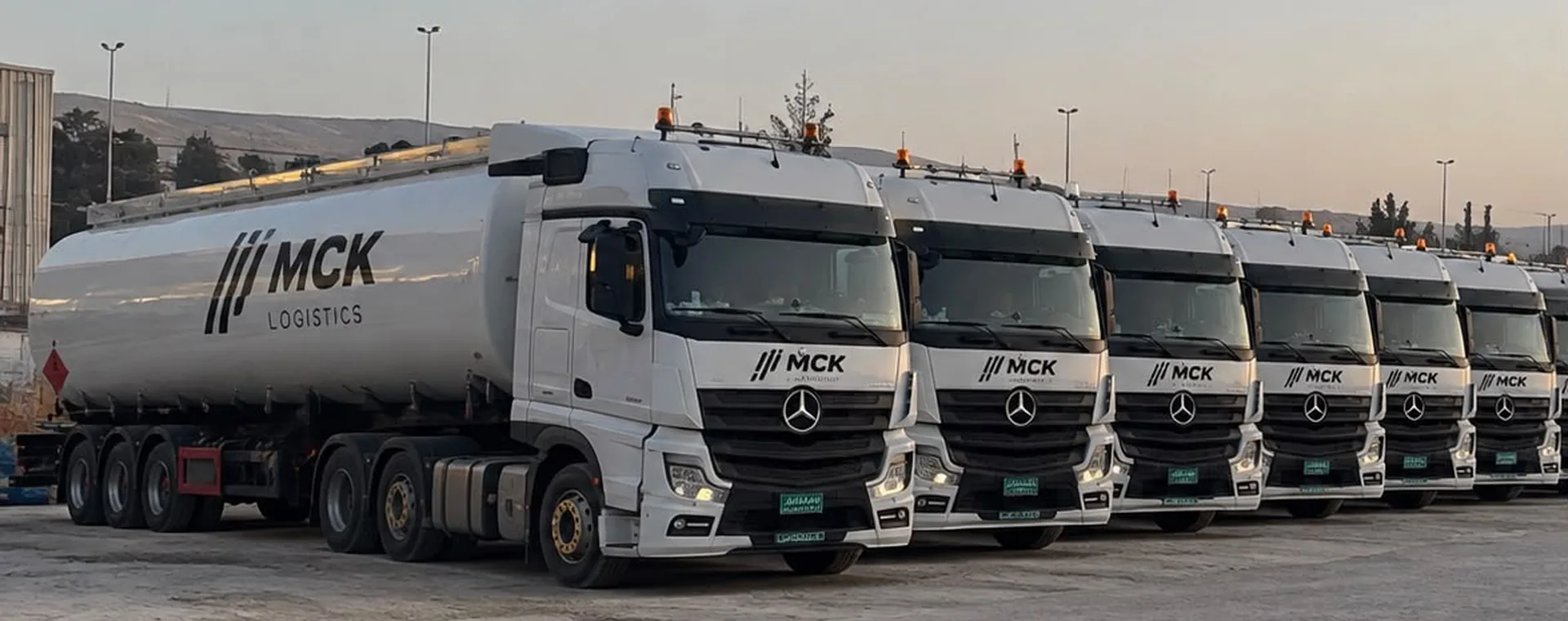
Moving fuel and petroleum products by tanker calls for a different discipline from general cargo. The load is flammable, quantities are measured precisely, and delivery usually has a direct effect on the customer's operation: fuel that doesn't arrive on time at a station, construction site or plant can bring work to a halt.
This article outlines how a tanker operation inside Iraq is typically planned, from collecting the load to delivery.
1. Defining the job
Every tanker operation starts by pinning down what is being moved, how much, from where to where, and when:
- Product type: Which fuel or petroleum product is being carried. Different products may require different tanker preparation.
- Quantity: Total volume, and from that, how many trips or tankers are needed.
- Loading point: Where the product is collected, such as a refinery, depot or terminal.
- Delivery point: The facility or facilities where the product is discharged.
- Schedule: Whether it is a one-off shipment or a regular, recurring haul.
Regular shipments are planned differently from one-off jobs, because fleet capacity has to be allocated to specific days and routes.
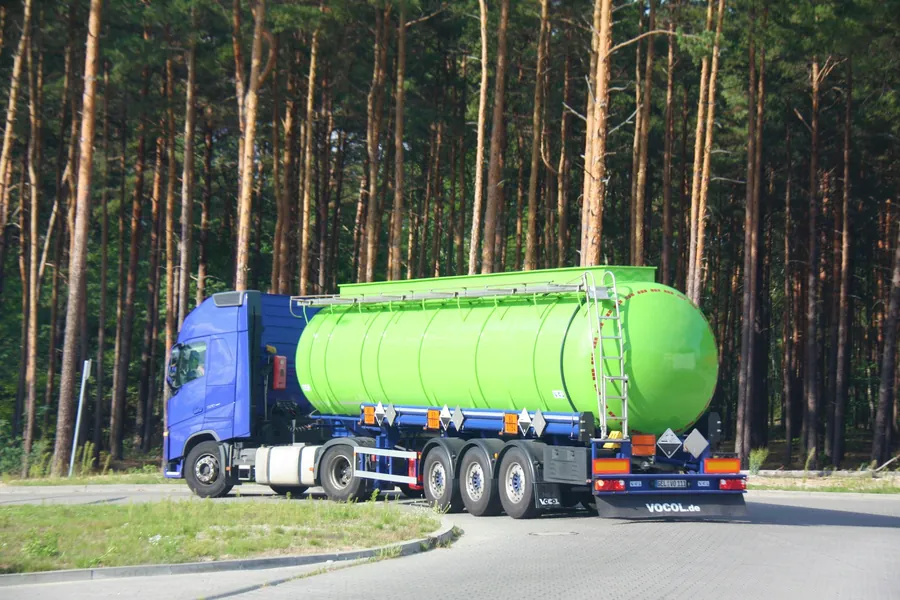
2. Planning at the loading point
The loading point is one of the most coordination-heavy stages. The tanker's arrival time, its place in the loading sequence and the facility's acceptance procedure all need to be known in advance.
During loading, the quantity is measured and recorded. Sealing the tanker once loading is complete is a common practice for keeping the load intact during the journey. These records are what allow the loaded quantity to be compared with the quantity delivered.
3. Route planning
In fuel transport, the route is not simply the shortest road. Route planning typically takes into account:
- Road and route conditions
- Checkpoints along the way
- Working hours at the loading and delivery points
- Driver working and rest patterns
- Any local restrictions that may apply to vehicles carrying dangerous goods
Running the same route regularly means these variables are known in advance, which makes planning more predictable.
4. Documentation and records
Paperwork in tanker transport serves both traceability and the checks carried out during the journey. As a general rule, the following should be on record:
- Product type and quantity
- Loading point and delivery point
- Shipper and consignee details
- Quantity records at loading and at delivery
The documents and permits required for fuel transport inside Iraq can vary by product, route and region, and may change over time. Before any specific operation, we recommend confirming the current requirements with our team.
5. Safety discipline
When working with a flammable load, safety has to be built into every stage. Common practice across the industry includes:
- Vehicle checks: Inspecting the tanker, valves and connection equipment before each trip.
- Loading and discharge procedures: Following the facility's rules, working carefully to avoid spills, and keeping away from ignition sources.
- Driver discipline: Sticking to the planned route and speed, and respecting rest patterns.
- Preparedness: Having clear steps defined in advance in case something goes wrong on the road.
Applying these steps the same way on every trip, in other words consistency, is the core of operational discipline. A single skipped check can undermine all the planning around it.
Safety and timing are not trade-offs. In a well-planned operation, safety steps are built into the schedule from the start.
6. Delivery and close-out
At the delivery point, the tanker is received, the product is discharged and the delivered quantity is recorded. Comparing loading records with delivery records is key to closing the operation cleanly. For regular shipments, these records also feed into planning the next trips.
Common planning pitfalls
Many delays in tanker operations start at the planning stage rather than on the road. The most common ones are:
- Unconfirmed loading slot: The tanker reaches the loading point, but the loading sequence or the product isn't ready.
- Incomplete delivery point details: When site access rules, discharge equipment or working hours aren't known in advance, the tanker can end up waiting at the gate.
- Last-minute quantity changes: A change to the planned volume on loading day means the number of tankers and trips has to be recalculated.
- No authorised person at delivery: If nobody is on site to receive the product and sign off the records, discharge is delayed.
Most of these can be avoided by sharing complete details about the loading and delivery points at the request stage.
MCK Logistics' tanker operations in Iraq
MCK Logistics transports fuel and petroleum products inside Iraq. Our fleet of more than 70 tankers operates mainly on the Duhok, Erbil and Mosul line. We plan our operations around safety, timing and operational discipline, from collecting the load to delivery.
Our headquarters is in Erbil. For details of the service, see our fuel and petroleum tanker transport page.
To discuss your requirement, share the product type, quantity, loading and delivery points and planned date through the quote form, and our operations team will get back to you.