
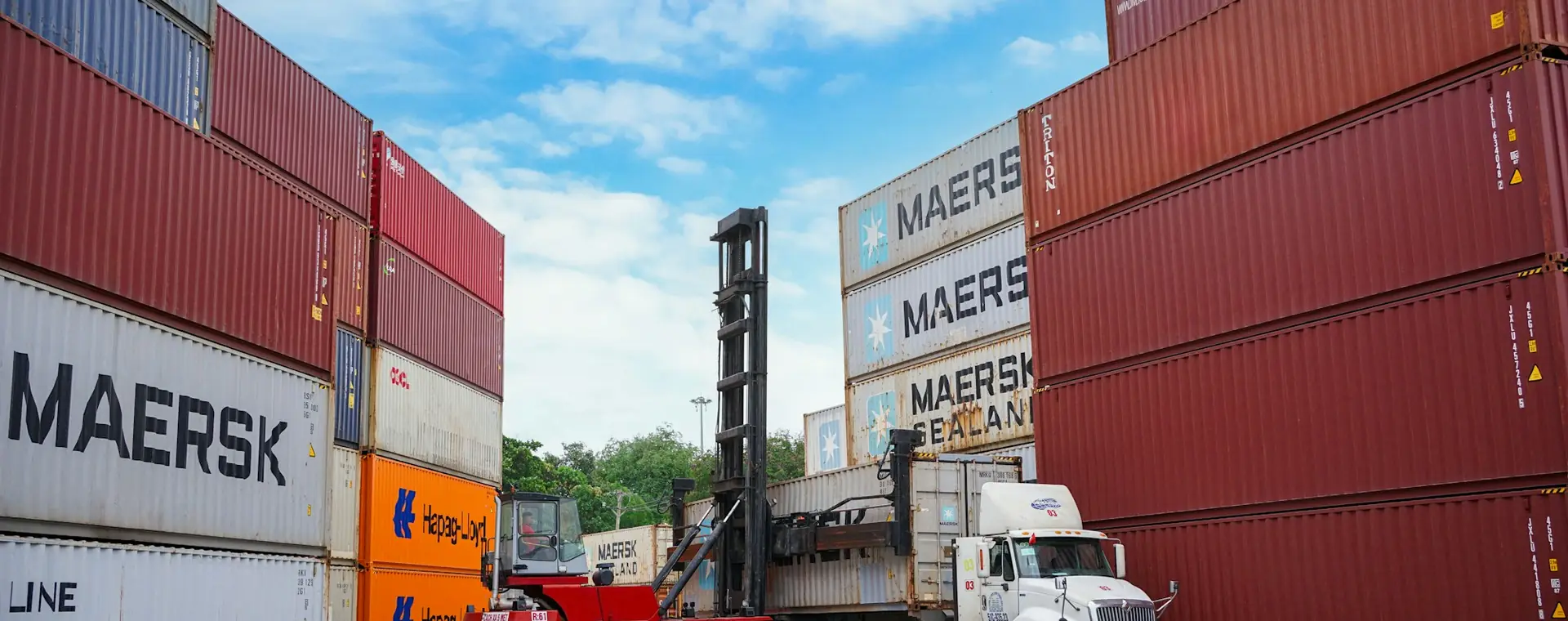
In international trade, goods don't always go straight to the buyer the day they cross the border. The consignee may not be ready, the paperwork may still be in progress, or part of the shipment may be heading to a different market. A bonded warehouse is designed for exactly this in-between period.
This article explains what a bonded warehouse is, when it is useful on the Türkiye–Iraq route, and what to ask a provider before you start working with one.
What is a bonded warehouse?
A bonded warehouse is a storage facility operated under customs control, where goods that have not yet been released into free circulation are kept. The general principle is that while goods remain in the warehouse, import duties and other charges are in most cases suspended until the goods are released for free circulation. When goods leave the warehouse, they are either imported into the domestic market or, where the relevant regulations allow, re-exported to another country.
How long goods may stay, which operations are permitted, and how duties are applied all depend on the customs legislation of the country concerned. For any specific shipment, we recommend confirming the rules with your customs broker or our operations team.
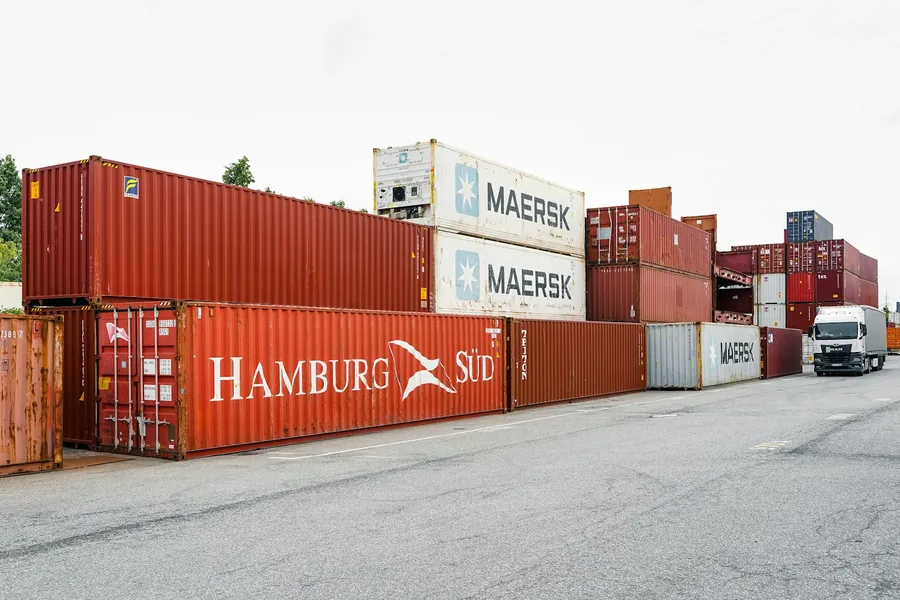
Bonded warehouse vs. ordinary warehouse
Goods in an ordinary warehouse have already cleared customs and are in free circulation. In a bonded warehouse, goods remain under customs supervision. This has two practical consequences:
- Entries, exits and stock movements are recorded.
- What can be done with the goods stays within the limits set by customs regulations.
When is it used on the Türkiye–Iraq route?
A bonded warehouse gives importers and exporters flexibility, particularly when:
- The consignee isn't ready to take delivery: The goods have reached the border region, but the buyer's sale, financing or storage space isn't settled yet.
- Paperwork is still in progress: While additional documents or permits that the product may require are being completed, the goods need somewhere suitable to wait.
- Goods will be drawn down in stages: A large consignment can be brought in at once and cleared in portions as needed, with duty payments spread across those releases (to the extent the regulations allow).
- The final destination isn't decided: If part of a consignment is meant for the Iraqi market and part for another market, the warehouse buys time to decide.
- Consolidation or splitting is needed: Cargo from different suppliers may need to be held together, or a single consignment divided among several consignees.
Questions to ask a warehouse provider
Before committing to a bonded warehouse, it's worth getting clear answers on the following:
- Location: Where is the warehouse relative to your route and the border crossing? Does it add extra transport distance?
- Type of space: Is there covered space, open space, or both? Which suits your cargo?
- Accepted cargo: Will your product be accepted? Are there facilities for goods with special storage needs?
- Handling: What equipment is used for loading, unloading and pallet movements?
- Stock tracking and reporting: How and how often will you receive entry, exit and stock information?
- Customs coordination: How are customs procedures handled on entry and exit, and who is responsible for what?
- Link to transport: Can the same provider organise transport into the warehouse and on to the final delivery point?
- Pricing structure: How are storage, handling and additional services charged?
The answers show whether the warehouse will be just a place to store goods, or a coordinated part of your supply chain.
Things to keep in mind when using a bonded warehouse
A bonded warehouse offers flexibility, but getting the most out of it takes planning:
- Plan the exit from the start: Decide as early as possible when and how the goods will leave the warehouse, whether by import, re-export or staged releases.
- Factor storage time into cost: Every day in the warehouse carries a cost, and the total rises the longer goods wait.
- Keep documents consistent: When the invoice, packing list and transport document match each other and the physical cargo, entry and exit procedures run more smoothly.
- Pack for storage: Especially for cargo that will sit in open space, packaging needs to withstand outdoor conditions.
- Agree on one point of coordination: If transport, warehousing and customs steps are handled by different parties, make clear who the information flows through.
MCK Logistics' bonded warehouse at the Dry Port of Duhok
MCK Logistics operates a bonded warehouse at the Dry Port of Duhok, on the Duhok–Zakho corridor. The facility covers 9,000 m² in total:
- 3,000 m² of covered space
- 6,000 m² of open space
See our Duhok bonded warehouse page for details of the service.
For shipments between Türkiye, Iraq and the Middle East, we also coordinate customs procedures together with a contracted customs brokerage firm; you can read more on our customs coordination service page. If your goods will be trucked in from Türkiye, our guide to road freight from Türkiye to Iraq covers what to prepare.
To discuss your bonded storage needs, tell us the cargo type, quantity and planned storage period through the quote form, and our operations team will get back to you.